
Industrial Manufacturing Robots, Ranked by What They're Actually Good At
Seven robot classes get lumped under "industrial manufacturing robot," and picking the wrong one is the most common reason an automation project underdelivers. We ranked them by real installation and growth data, then matched each to the job it actually does best.
Why We Ranked It This Way
Most "top robots" content ranks brands. That's the wrong question if you haven't decided what class of robot your process actually needs yet. A six-axis arm and a delta robot solve completely different problems — comparing their brands before comparing their mechanics just wastes a procurement cycle. So this list ranks the seven robot types themselves, using the same installation and growth figures the International Federation of Robotics tracks industry-wide, and pairs each one with a real, spec'd example so you're not left guessing what a "typical" unit actually costs or handles.
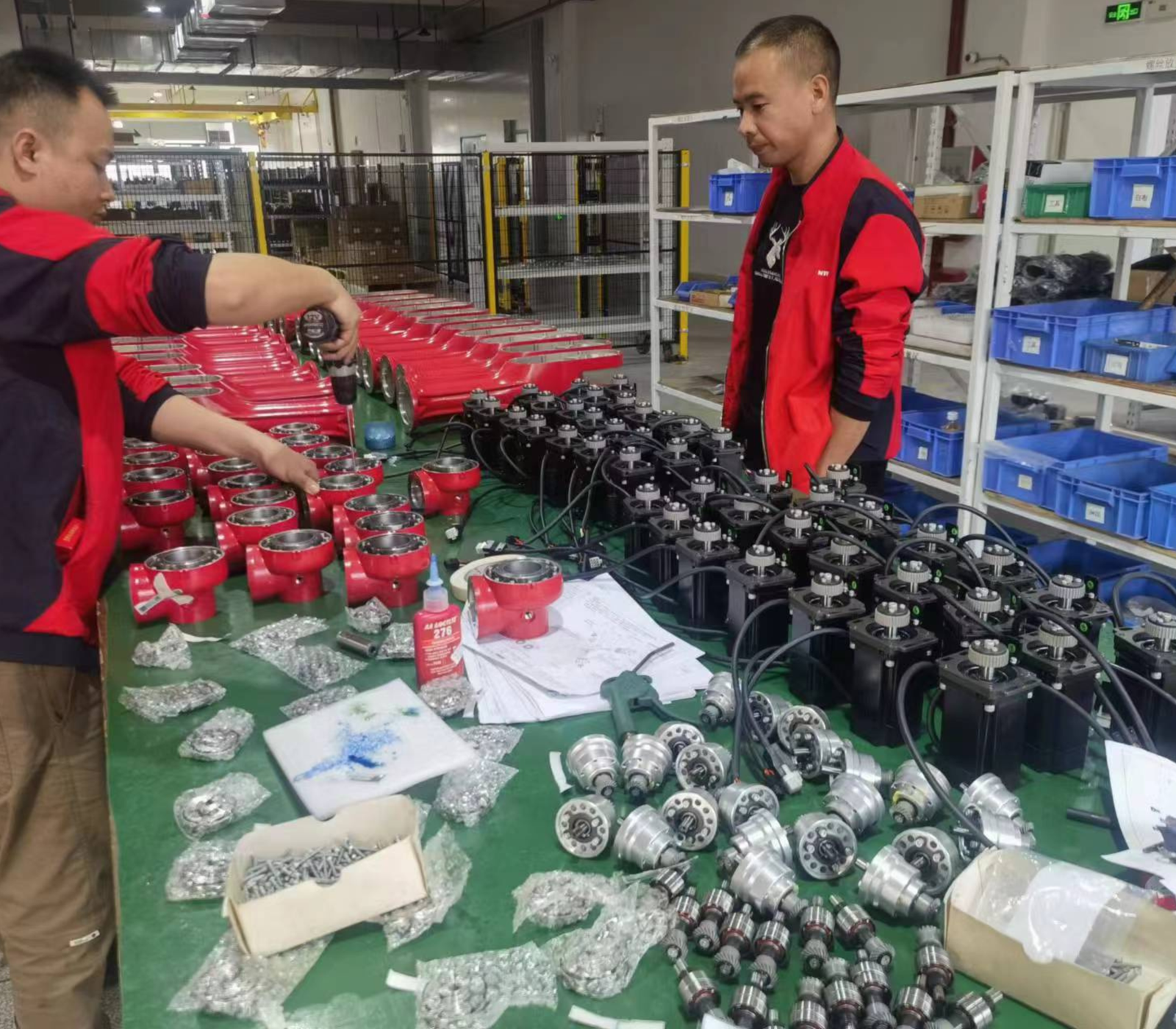
The Ranking
Scroll past the ones that obviously don't fit your process — that's a faster path to the right answer than reading top to bottom.
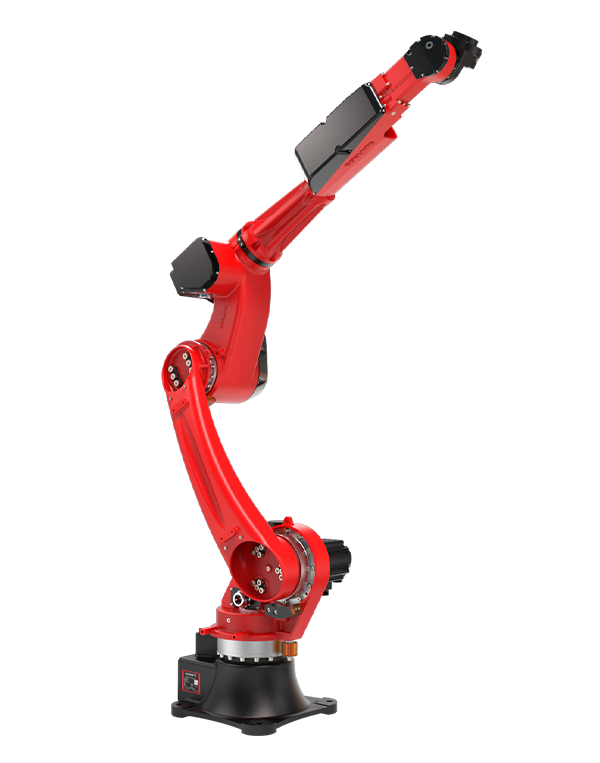
Six-Axis Articulated Robots
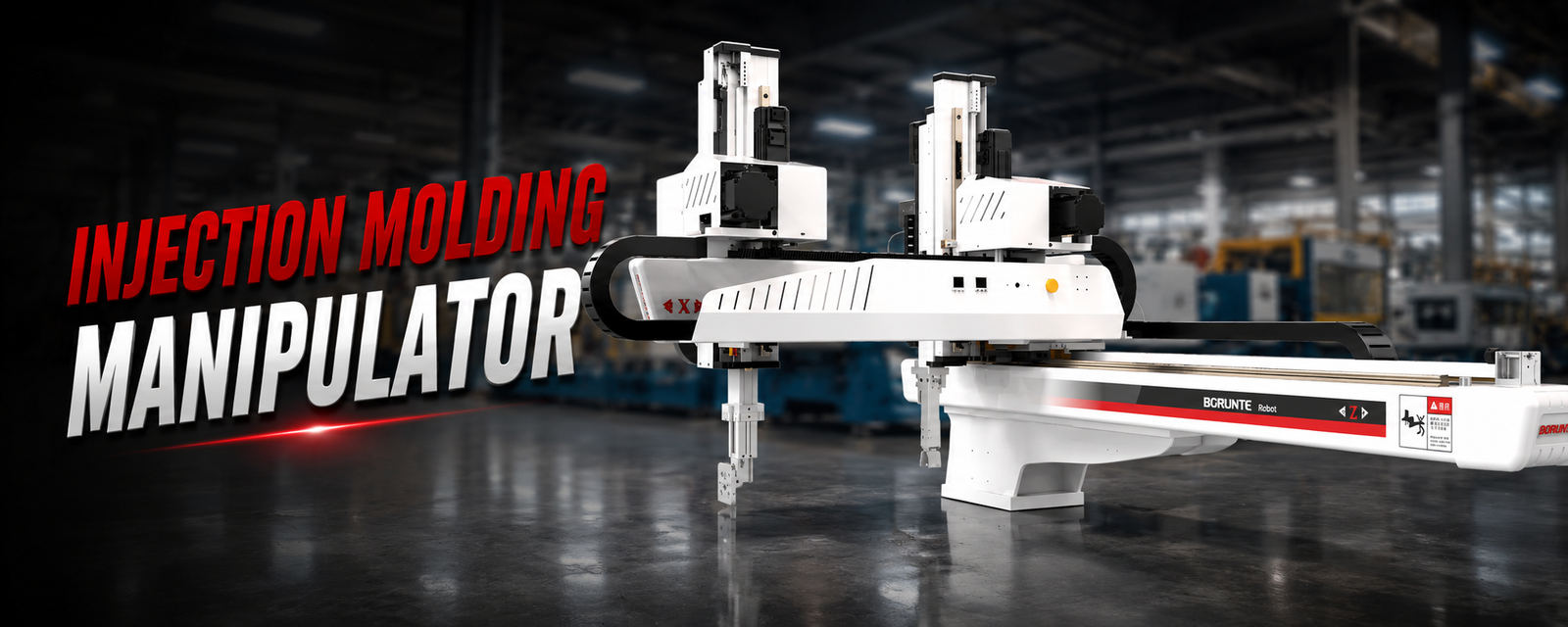
Give a six-axis robot a weld seam, a pallet, and a machine tool to load, and it'll do all three without a rebuild — that's the whole reason it holds the largest installed base of any robot type. The six degrees of freedom mean it can approach a part from almost any angle, which is exactly what welding and spraying paths demand and what a flat pick-and-place task doesn't need at all.
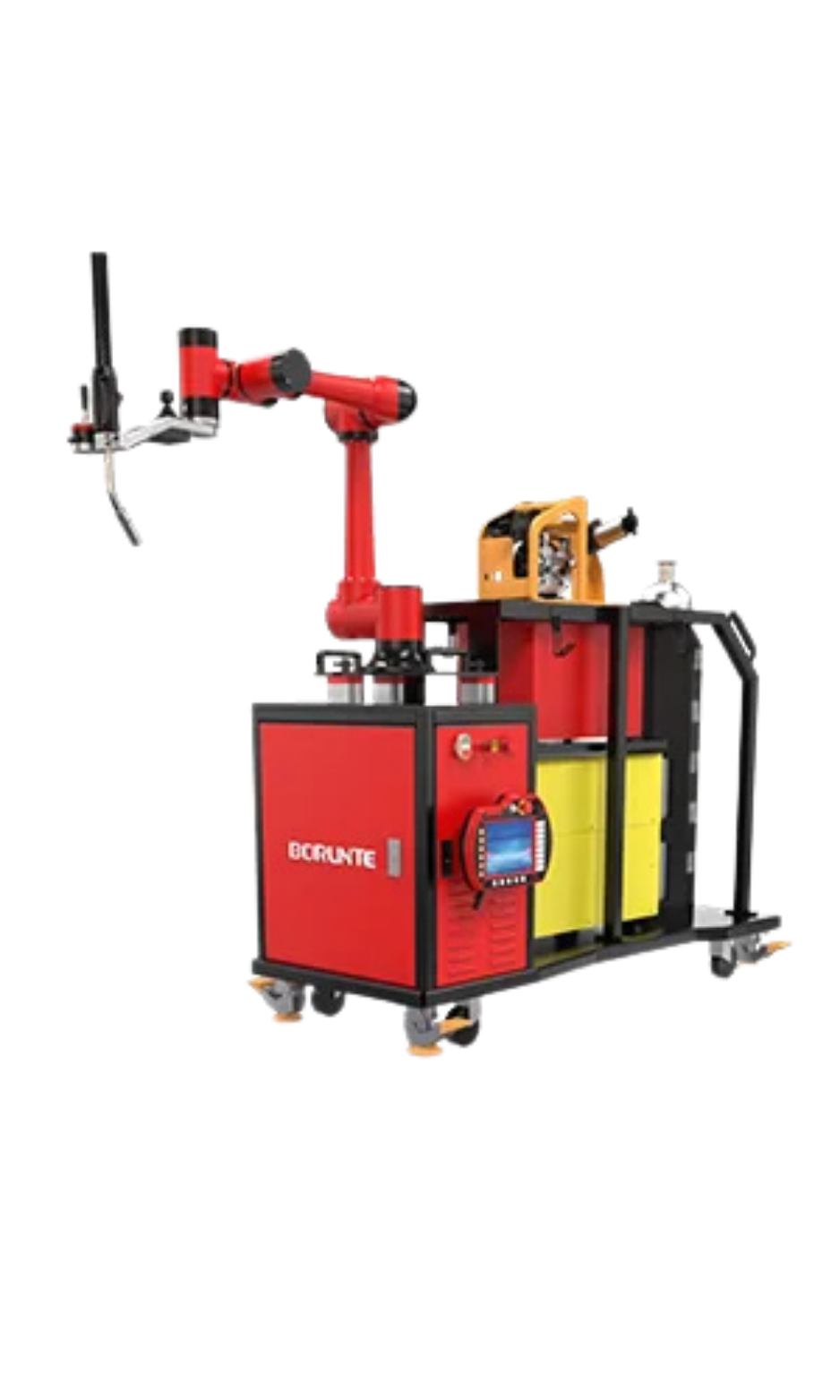
Collaborative Robots (Cobots)
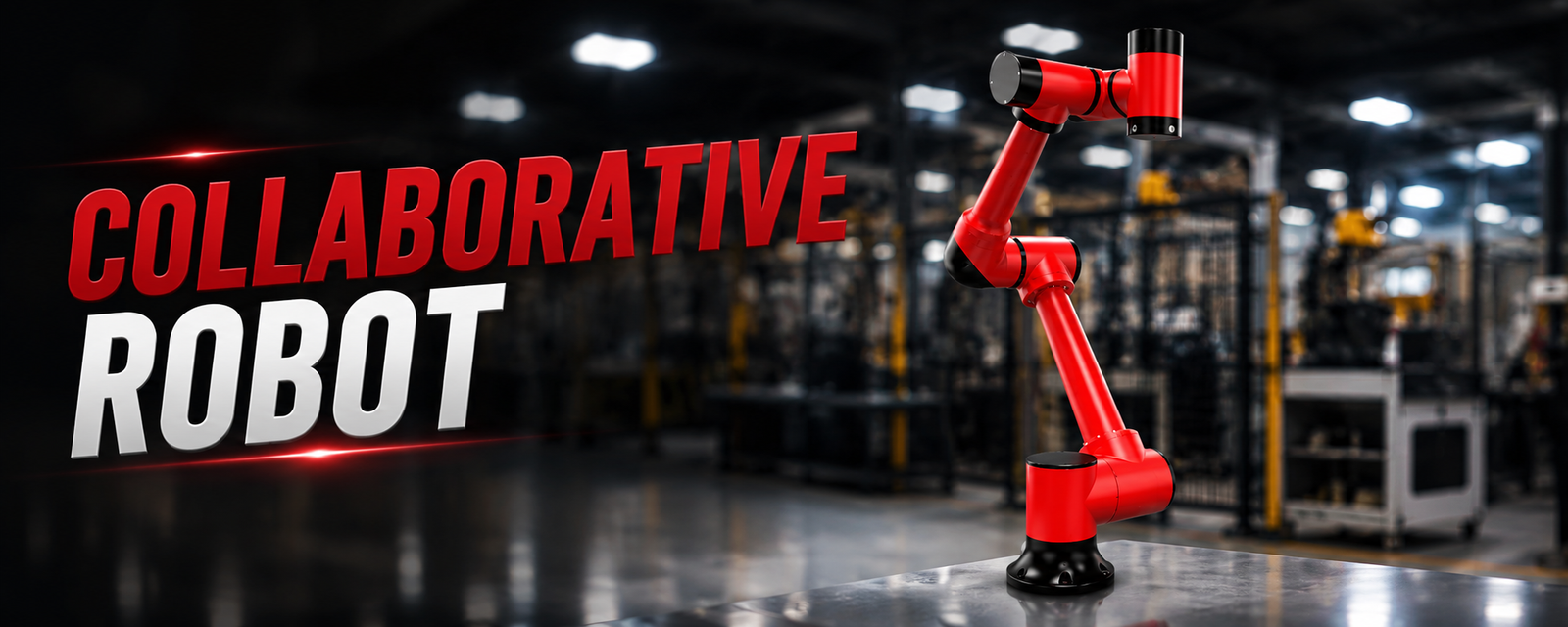
Cobots earn second place on trajectory, not current size. Their share of global installations more than quadrupled in seven years, mostly because skipping the safety fence cuts a huge chunk out of integration cost, and a cobot can be walked to a new station in an afternoon instead of a week. If your line reconfigures often, that redeployment speed can outweigh a six-axis robot's bigger payload ceiling.
SCARA Robots
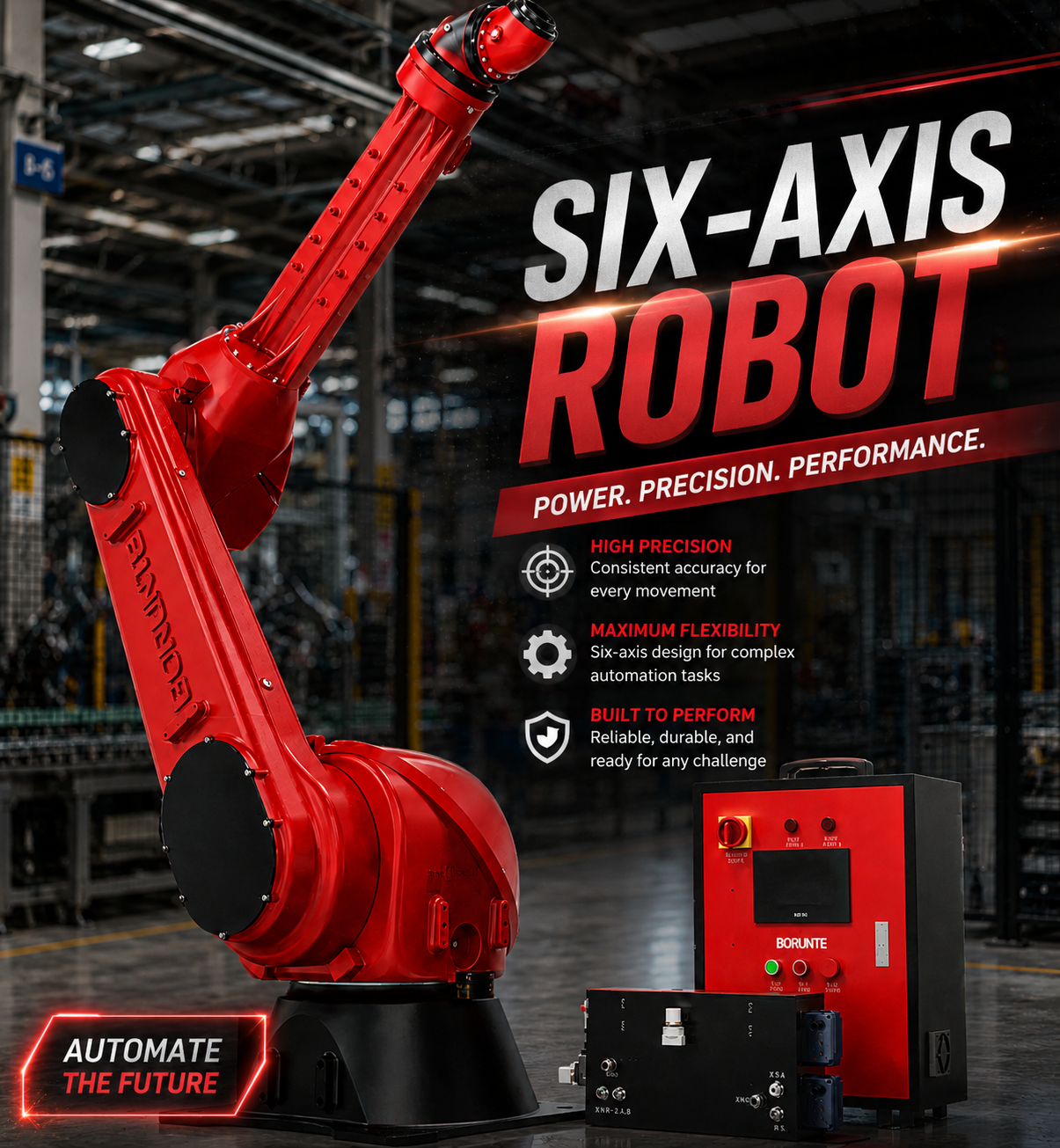
Nobody beats a SCARA at a flat, fast, repetitive job. Screwdriving, small-parts placement, PCB handling — none of it needs six axes of freedom, and forcing a six-axis robot into that role just adds cost and complexity for motion it will never use. That's the entire case for SCARA sitting at number three: it wins narrowly, but wins hard.
Palletizing Robots
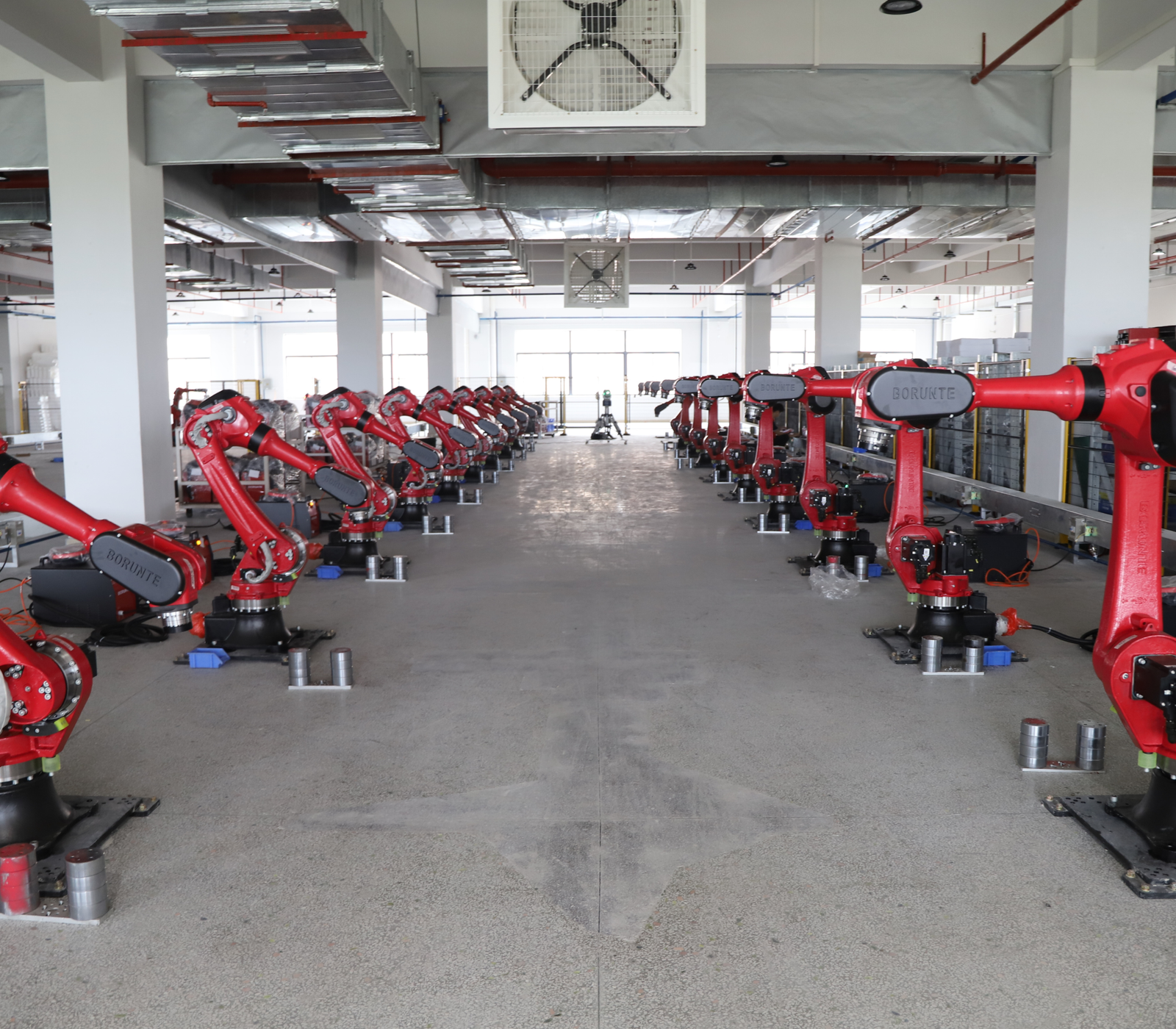
This one ranks on outcome, not installation count. End-of-line stacking is one of the clearest labor-to-throughput swaps in a factory, and it shows up in real deployment data over and over as a 10-30% output increase once a palletizer goes live. If your bottleneck is literally the last ten feet of the line, this is usually where the fastest payback lives.

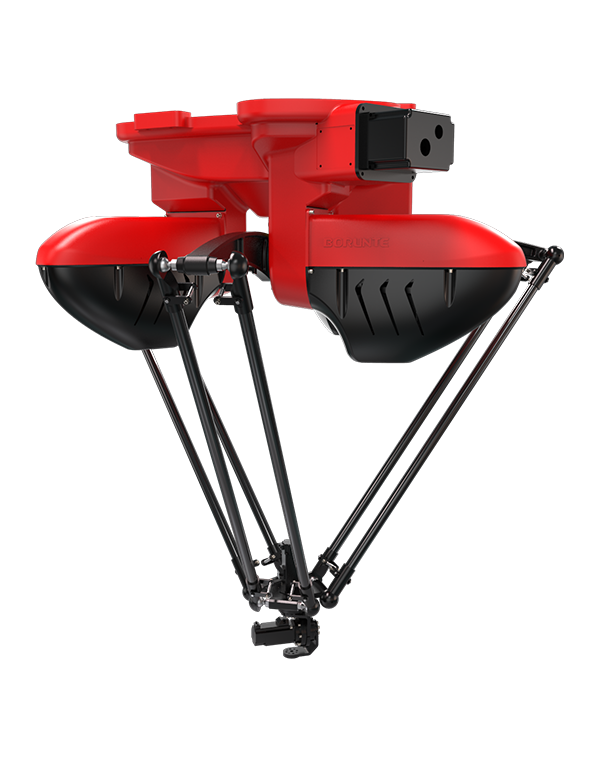
Delta (Parallel) Robots
Delta robots trade almost everything — reach, payload, floor footprint — for raw cycle speed, and that's why they only show up in a narrow band of applications: light, fast, repetitive picking, usually in food or packaging. Outside that band they're the wrong tool. Inside it, nothing else keeps up.

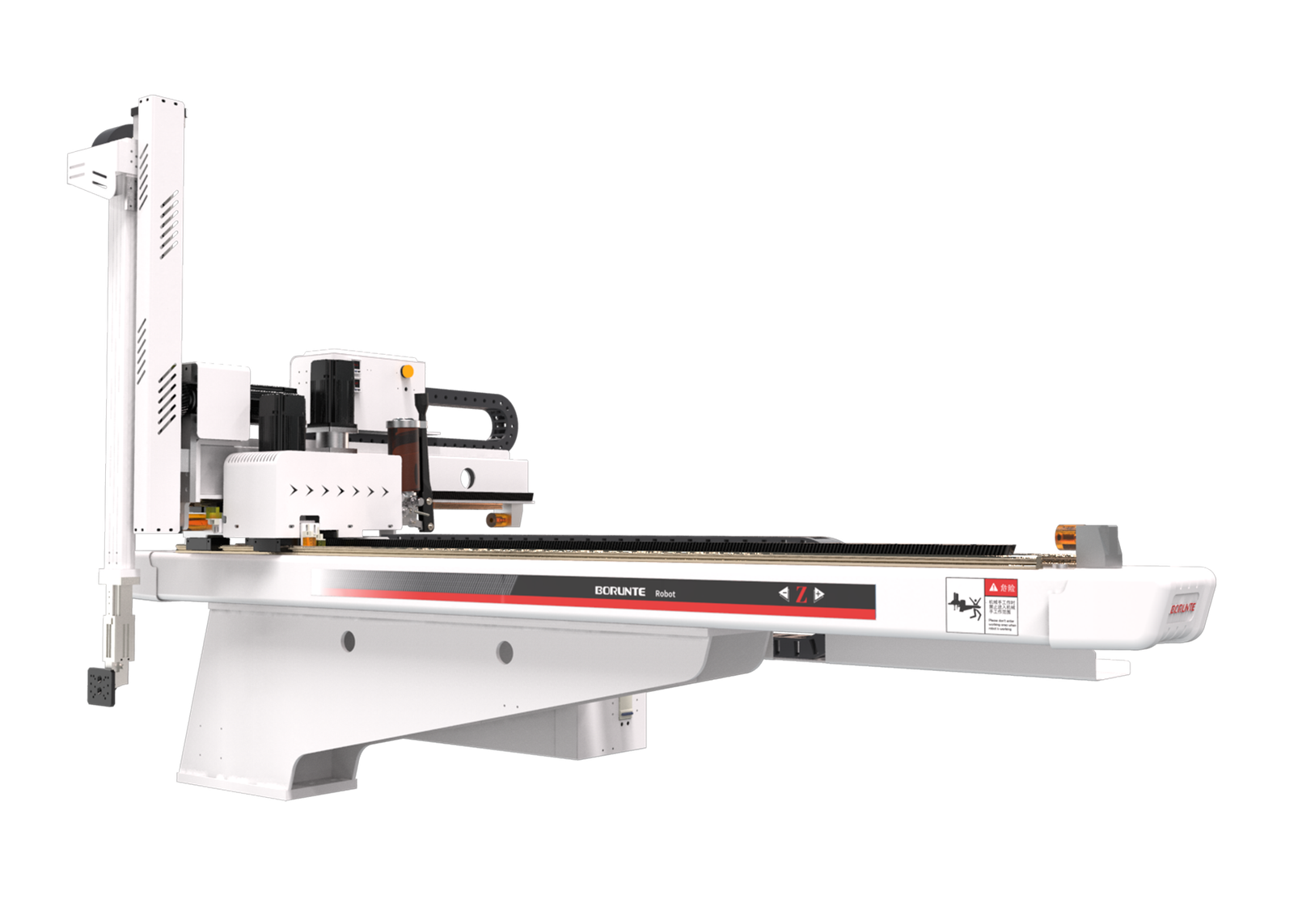
Injection Molding Manipulators
This is the one category on the list built for a single job: matching a press's cycle timing exactly, every time, so the robot never becomes the bottleneck in the molding cycle. A general-purpose six-axis robot can technically extract a part too, but it won't synchronize as tightly — and in plastics manufacturing, that timing gap is the whole ballgame.

Servo Manipulators (4-Axis)
Last on the list, but not because it's a weak option — it's simply the most specific one. A four-axis servo manipulator handles straightforward loading and column-mounted transfer work at a lower price point than a full six-axis robot, and for a task that genuinely doesn't need multi-angle orientation, paying for that extra freedom is money left on the table.
Quick Comparison
Use this to narrow down a category fast, then check the real specs above before deciding.
| Robot Type | Best For | Typical Payload | Installation Trend |
|---|---|---|---|
| Six-Axis Articulated | Welding, machine tending, handling | Up to 1,000kg+ | Largest share, stable |
| Collaborative (Cobot) | Shared workspace, changing tasks | 3-30kg | Fastest-growing |
| SCARA | Electronics, fast pick-and-place | 1-20kg | Growing in electronics |
| Palletizing | End-of-line stacking | 10-300kg | Stable, high ROI |
| Delta (Parallel) | High-speed light picking | Under 5kg | Growing in food/packaging |
| Injection Molding Manipulator | Plastics press synchronization | Application-specific | Stable, vertical-specific |
| Servo Manipulator (4-Axis) | Transfer & loading | 20-100kg | Stable |
About This Ranking
Programmable robotic arms used in production environments, spanning seven main mechanical classes — six-axis articulated, collaborative, SCARA, delta, palletizing, injection molding manipulator, and 4-axis servo manipulator — each suited to different tasks based on speed, payload, and required range of motion.
Six-axis articulated robots hold the largest installation share globally, at roughly 46-49% of shipments, because their range of motion covers the widest set of manufacturing tasks within one platform.
This ranking weighs growth alongside current volume. Cobots went from 2.8% to 11.9% of global installations between 2017 and 2024 — the fastest growth rate of any robot category — which is why they place second despite six-axis robots still holding the larger current share.
Start with the physical path the task requires: flat pick-and-place usually points to SCARA or delta, while a contoured weld or spray path needs six-axis flexibility. Confirm payload at full reach rather than at the base, and weigh how often the task changes — that's usually what tips the decision toward a cobot over a fixed six-axis cell.
No. This page is published by Xiamen Device Technology, disclosed above. The ranking order comes from IFR installation and growth data, not manufacturer preference — the example models are from Xiamen Device Technology's own catalog because those specs are directly verifiable.
Tell Us the Task, We'll Tell You the Robot
Skip the category guesswork. Describe the process and an engineer will match it to the right robot type before quoting a model.